Specialists in First-in-Human (FiH) clinical trials, CRS delivers fast, EMA-compliant early-phase drug development services with expert subject recruitment, PK/PD analysis, and dose escalation support.
Phase II–III infectious, respiratory, and cardiometabolic clinical trials across UK and Germany, with expert-led design, rapid recruitment, and advanced diagnostic capabilities.
CRS Clinical Research Services, part of the hVIVO Group, delivers end-to-end clinical pharmacology trial solutions with a focus on early-phase development and therapeutic specialisation.
Comprehensive data management and biostatistics support for clinical trials, ensuring accurate data capture, analysis, and timely, high-quality study results.
Reliable clinical trial recruitment with over 400,000 volunteers, advanced CRM technology, and tailored participant matching to accelerate your study success.
World-class in-patient clinical trial sites across the UK and Germany, offering over 150 beds for early-phase, infectious disease, and specialist studies including advanced quarantine, PK/PD, and biosafety capabilities.
Five integrated outpatient clinical trial sites across the UK and Germany, offering over 1,000 weekly participant screenings, on-site IMP administration, and advanced laboratory capabilities.
Blog
An introduction to participant recruitment in clinical trials
Clear, concise, compliant medical writing for clinical trials and regulatory submissions, including protocols, IBs, PISICFs, CSRs, lay summaries, and CTD modules.
End-to-end regulatory consulting to guide your product through development, interactions with EMA/FDA/MHRA/EU national authorities, and special designations.
Article
Process Optimisation & Formulation Development with Commercialisation in Mind
Comprehensive preclinical support including drug development planning, PK/PD modeling, translational simulation, and biomarker strategies to accelerate success.
Expert scientific and regulatory consulting for vaccine development, infectious disease, and cardiometabolic programs. Strategic planning, compliance audits, and submission support to accelerate success.
Comprehensive assay platforms including PK/PD, ELISA, ELISpot, RT-qPCR/ddPCR, NGS, microbiome sequencing, and immunoassays. Automated workflows for reproducibility and scalability.
Global sample processing network offering PBMC isolation and downstream analysis for immunology research. GLP/GCP compliant workflows for clinical and translational studies.
Custom clinical trial kits, site training, and investigator support for Phase I–III studies. Bespoke design and RSV stabilization matrix for extended stability.
Expert assay development, customisation and validation for startups, biotech, and pharma. Reliable, fit for purpose from exploratory research through clinical trials.
hVIVO is an industry leader in virology and immunology laboratory services, and has been working in this field as a contract research organisation (CRO) since 1989. Operating as a highly specialised virology, immunology and molecular laboratory, our comprehensive array of services are tailored to support drug and vaccine research & development, and drive innovation in the field of virology.
Ethically approved human biological samples from a UK Registered Research tissue bank. Respiratory pathogen-positive sets and prospective collection for advanced research.
Secure cryostorage solutions under HTA and Home Office Controlled Drugs licenses with full compliance (GMP, GDP & GLP). Long and short-term storage at Room Temperature, -20oC, -80°C and liquid nitrogen for clinical and research samples including compounds and genome libraries.
Madin-Darby Canine Kidney (MDCK) Cells: A Versatile Model in Virology and Biomedical Science
Share this:
Madin-Darby Canine Kidney (MDCK) cells are a widely used cell line in biological and medical research, particularly in studies involving virology, cell biology, and membrane transport. Here’s an overview of what is currently known about MDCK cells:
1) Origin and Characteristics
Origin: MDCK cells were originally derived from the kidney tissue of a healthy adult female cocker spaniel in 1958. The cell line was established by Dr. S.H. Madin and N.B. Darby, hence the name "Madin-Darby Canine Kidney."
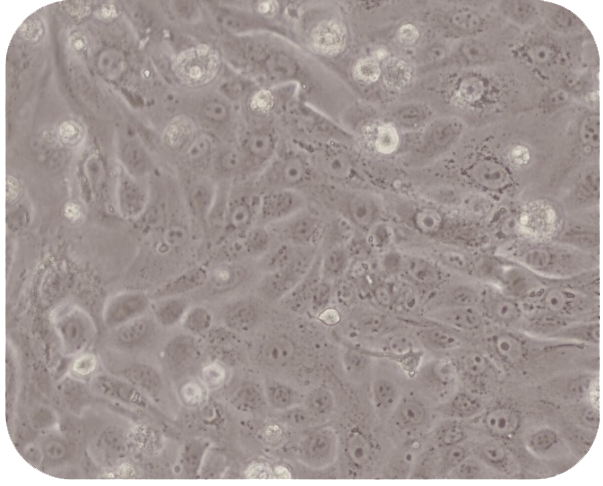
Morphology: MDCK cells are epithelial in nature and exhibit cobblestone-like morphology when cultured in monolayers. They have tight junctions, making them an excellent model for studying epithelial barrier function.
Subtypes: There are different strains of MDCK cells, such as MDCK I and MDCK II, which exhibit different properties. MDCK I cells are more likely to form tight epithelial layers, while MDCK II cells are often used in studies involving epithelial-to-mesenchymal transition (EMT).
2) MDCK Cell Culture & Maintenance
Growth Conditions: MDCK cells are typically cultured in Dulbecco's Modified Eagle Medium (DMEM) supplemented with foetal bovine serum (FBS), antibiotics, and other essential nutrients. They grow well at 37°C in a humidified atmosphere with 5% CO₂.
Polarization: When grown on permeable supports like Transwell inserts, MDCK cells can form polarized monolayers with distinct apical and basolateral surfaces. This property is essential for studies requiring functional epithelial layers.
Differentiation: MDCK cells can differentiate into tubular structures when grown in three-dimensional culture systems, mimicking in vivo kidney tubules. This makes them valuable for studying kidney development and disease.
hVIVO team has developed and qualified a Serum-free GMP MDCK cell line, starting from cells obtained from world leader supplier. Our expert team can support your need
3) Applications in Research
Virology: MDCK cells are widely used in the propagation and study of various viruses, especially influenza viruses. The cells support the replication of influenza, making them crucial for vaccine production and antiviral research.
Transport Studies: Due to their polarized nature, MDCK cells are an excellent model for studying transcellular transport, particularly in understanding the mechanisms of absorption, secretion, and barrier functions of epithelial layers.
Membrane Dynamics: Researchers often use MDCK cells to investigate membrane trafficking, endocytosis, and exocytosis. The distinct apical and basolateral membranes in these cells make them useful for studying membrane protein sorting and dynamics.
Drug Testing: MDCK cells are employed in pharmacological studies to evaluate the permeability and absorption of drugs across epithelial barriers, which is important for drug delivery systems.
hVIVO serum-free MDCK bank is routinely tested for the production of influenza viruses
4) Genetic Manipulation
Transfection: MDCK cells are amenable to genetic manipulation through transfection or viral transduction. Researchers often introduce specific genes, reporters, or siRNAs to study the role of certain proteins in epithelial cell functions.
CRISPR/Cas9: Modern techniques such as CRISPR/Cas9 have been used to create knockout or knock-in cell lines for studying gene function in MDCK cells. This allows for precise genetic modifications to investigate various cellular processes.
5) Limitations
Species-Specific Differences: Since MDCK cells are derived from canine tissue, results obtained from these cells may not always translate directly to human biology.
Tumorigenicity: Although MDCK cells are non-tumorigenic, prolonged culture or certain conditions can lead to chromosomal aberrations or phenotypic changes, which could affect experimental outcomes.
hVIVO GMP cell bank has been tested and proven non-tumorigenic
Heterogeneity: MDCK cells, particularly the different subtypes, can exhibit heterogeneity in terms of growth rates, morphology, and behaviour, which might necessitate careful selection of the appropriate cell line for specific experiments.
hVIVO GMP cells are fully characterised.
6) Importance in Influenza Research
Vaccine Production: MDCK cells are an approved cell line for the production of influenza vaccines. They provide a reliable system for virus propagation without the need for embryonated chicken eggs, which is the traditional method.
Antiviral Testing: These cells are frequently used to screen antiviral compounds against influenza and other respiratory viruses, making them indispensable in the field of infectious diseases.
hVIVO can offer Licence for the development of Vaccines and Antivirals
hLab, part of hVIVO, can also test in vitro the IMP/antiviral candidates using this cell line
7) Recent Advances
Organoid Culture: MDCK cells have been used to create kidney organoids, which are miniaturized and simplified versions of organs that mimic their structure and function. This application is paving the way for advancements in kidney disease modelling and drug testing.
Modelling Diseases: Researchers are increasingly using MDCK cells to model various kidney-related diseases and conditions, including cystic fibrosis, polycystic kidney disease, and nephritis.
In summary, MDCK cells are a versatile and robust cell line that has become a cornerstone in various fields of research, particularly virology and cell biology. Their ability to form polarized epithelial layers makes them an excellent model for studying cellular processes that are crucial for understanding disease mechanisms and developing new therapies.
hVIVO has developed and validated a GMP compliant cell line which is Serum free. Please get in touch if you wish to know more about using it.