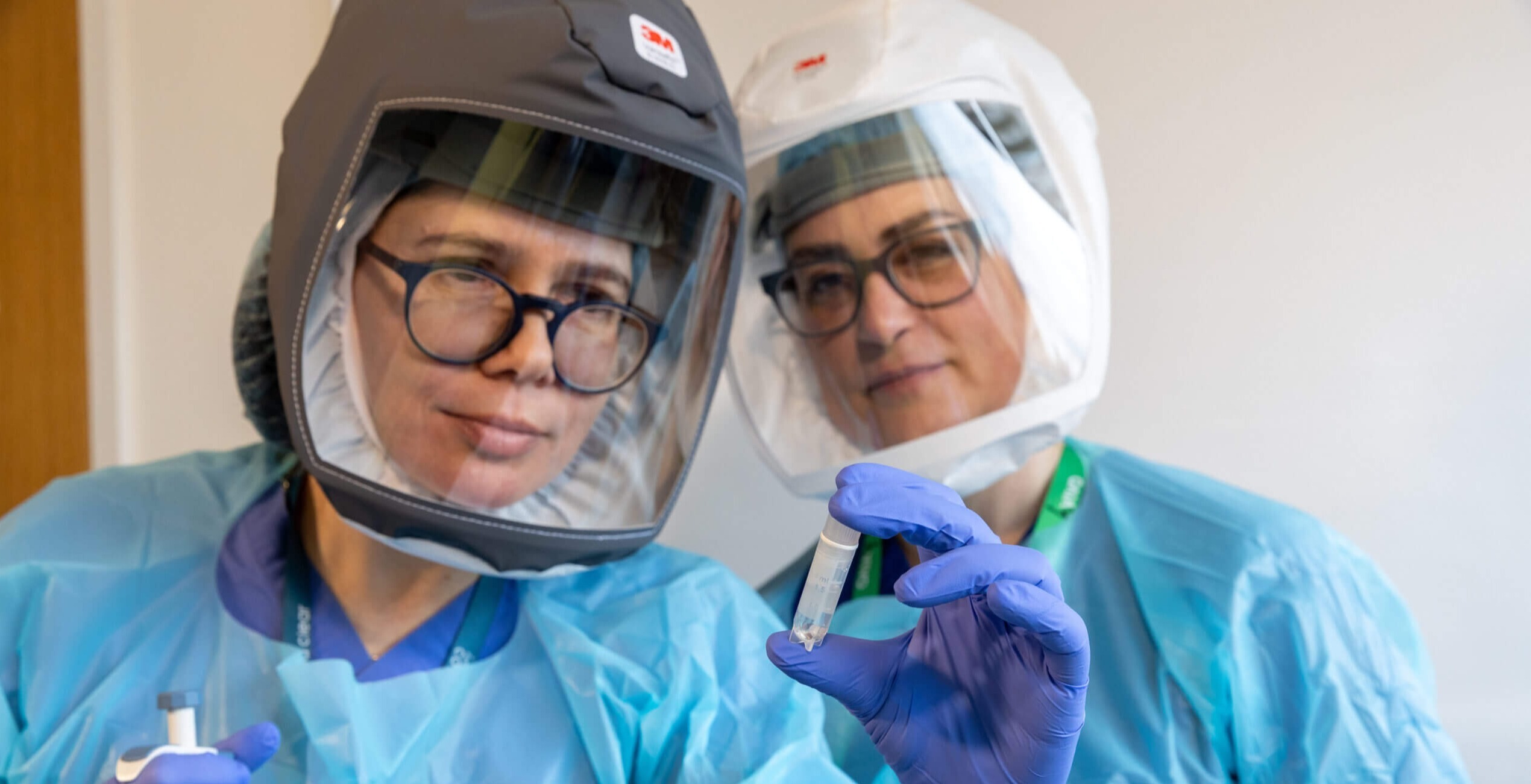
Human metapneumovirus (hMPV) is a common respiratory virus that affects people of all age groups, particularly infants, children, the elderly and people with weakened immune systems. It is known to cause respiratory illnesses ranging from mild cold-like symptoms to severe lower respiratory tract infections, such as pneumonia and bronchiolitis. With no specific antiviral treatment or licensed vaccine available currently, hMPV poses a significant public health concern worldwide.
Developing effective vaccines and antiviral therapies against hMPV is a complex task that requires extensive research, clinical trials, and a thorough understanding of the virus's pathogenesis. Traditional methods of testing and evaluating potential treatments can be time-consuming and costly. This is where human challenge studies come into play, offering a valuable tool to expedite the development process while maintaining safety and ethical standards.
Speeding up Vaccine Development: Human challenge studies offer a controlled environment that allows Pharma and Biotech companies to quickly assess the safety and efficacy of potential hMPV vaccines. By intentionally infecting participants with the virus, valuable data can be obtained on vaccine performance, dosing, and immune response within a shorter timeframe.
Enabling Antiviral Development: In addition to vaccines, hMPV challenge studies provide a powerful tool for testing the efficacy of antiviral therapies. The effectiveness of various treatments in combating hMPV infections can be evaluated, helping to identify potential candidates for further development.
Targeted Immunological Studies: By closely monitoring the immune response of participants during hMPV challenge studies, vaccine and drug developers can gain insights into the body's reaction to the virus. This knowledge aids in understanding the mechanism of infection, identifying immune markers, and designing more effective interventions against hMPV.
Risk Assessment and Safety Monitoring: Challenge studies are conducted in a controlled and regulated environment, ensuring the safety of participants. Rigorous screening procedures and ongoing monitoring allow researchers to closely observe any potential side effects and provide immediate medical intervention if required.
Efficiency and speed: Compared to large-scale clinical trials, human challenge studies offer a more cost-effective and speedy approach to evaluating potential vaccines and antivirals. These studies require fewer participants and can provide valuable data in a shorter period, optimizing resources and reducing financial burdens.

We recently successfully completed our characterisation study for our new human metapneumovirus (hMPV) challenge model, with full results now reported. Our hMPV challenge model is the world’s only contemporary strain hMPV challenge model and uses an A2 strain that was isolated from patient with a recent community acquired infection. The model showcases strong infectivity rates and the induction of symptomatic disease in healthy volunteers. The model can be run in two different ways, depending on the application, either with or without pre-selection of participants based on their pre-existing antibody levels against the challenge virus.
Our data indicate that pre-selection to exclude those with high antibody titres may maximise the incidence of higher levels of disease but also show that the model produces sufficiently robust levels of infection without pre-selection if the goal is to have a study population that more closely mimic those included in field-based vaccine trials. The model is also designed to support the development and testing of antiviral therapies as well as vaccines, thereby addressing the significant unmet medical need for effective interventions against hMPV.

Sign up to our emails and follow us on social media to keep up to date with hVIVO.